What Contractors Should Know Before Scheduling Concrete Delivery
Concrete delivery is a critical part of any construction project, whether you're pouring a residential foundation, commercial slab, sidewalk, parking lot, or structural footing. Proper planning helps ensure your concrete arrives on time, remains workable, and can be placed efficiently without unnecessary delays. Before scheduling a delivery, contractors should consider several important factors that can impact both the quality of the finished product and the overall success of the project.
Accurately Calculate the Required Concrete Volume
One of the first steps is determining exactly how much concrete your project requires. Ordering too little can delay the job and create cold joints between pours, while ordering too much results in unnecessary waste and additional costs.
To calculate your needs, consider:
- Length, width, and depth of each pour
- Thickness variations throughout the project
- Footings, curbs, or other additional concrete elements
- A small allowance for minor overages
Providing accurate measurements helps your supplier prepare the correct amount of concrete for delivery.
Confirm Site Accessibility
Before the concrete truck arrives, evaluate whether it can safely access the jobsite. Tight spaces, steep grades, soft ground, overhead power lines, or limited turning room can create challenges that affect delivery.
Ask yourself:
- Can the truck reach the pour location?
- Is there sufficient space to maneuver?
- Are there weight restrictions or unstable surfaces?
- Will a concrete pump be needed?
Identifying access concerns ahead of time allows your supplier to recommend the appropriate equipment and delivery method.
Understand the Project Timeline
Concrete begins to set shortly after batching, making timing extremely important. Contractors should coordinate delivery with their crew, equipment, and site preparation so placement can begin immediately upon arrival.
Before scheduling delivery, ensure:
- Forms are fully installed.
- Reinforcement is in place.
- Finishing tools are ready.
- The placement crew is on-site.
- Any required inspections have been completed.
Proper scheduling minimizes downtime and helps maintain concrete quality throughout the pour.
Consider Weather Conditions
Weather can significantly influence concrete placement and curing. Extremely hot temperatures may accelerate setting times, while cold weather can slow curing. Rain, high winds, and freezing conditions may also affect finishing and long-term durability.
Depending on the forecast, contractors may need to:
- Schedule pours during cooler parts of the day.
- Use curing blankets or protective coverings.
- Plan for moisture management.
- Adjust concrete mix designs when appropriate.
Discussing anticipated weather conditions with your supplier can help determine the best approach for your project.
Choose the Appropriate Concrete Mix
Different construction applications require different concrete mixes. Factors such as strength requirements, exposure conditions, and finishing needs all influence the proper mix design.
Your supplier may recommend mixes based on:
- Residential or commercial applications
- Foundations and footings
- Driveways and sidewalks
- Industrial slabs
- Decorative concrete
- Reinforced structural elements
Selecting the proper mix helps ensure the finished concrete performs as intended for years to come.
Coordinate Concrete Pumping Equipment if Necessary
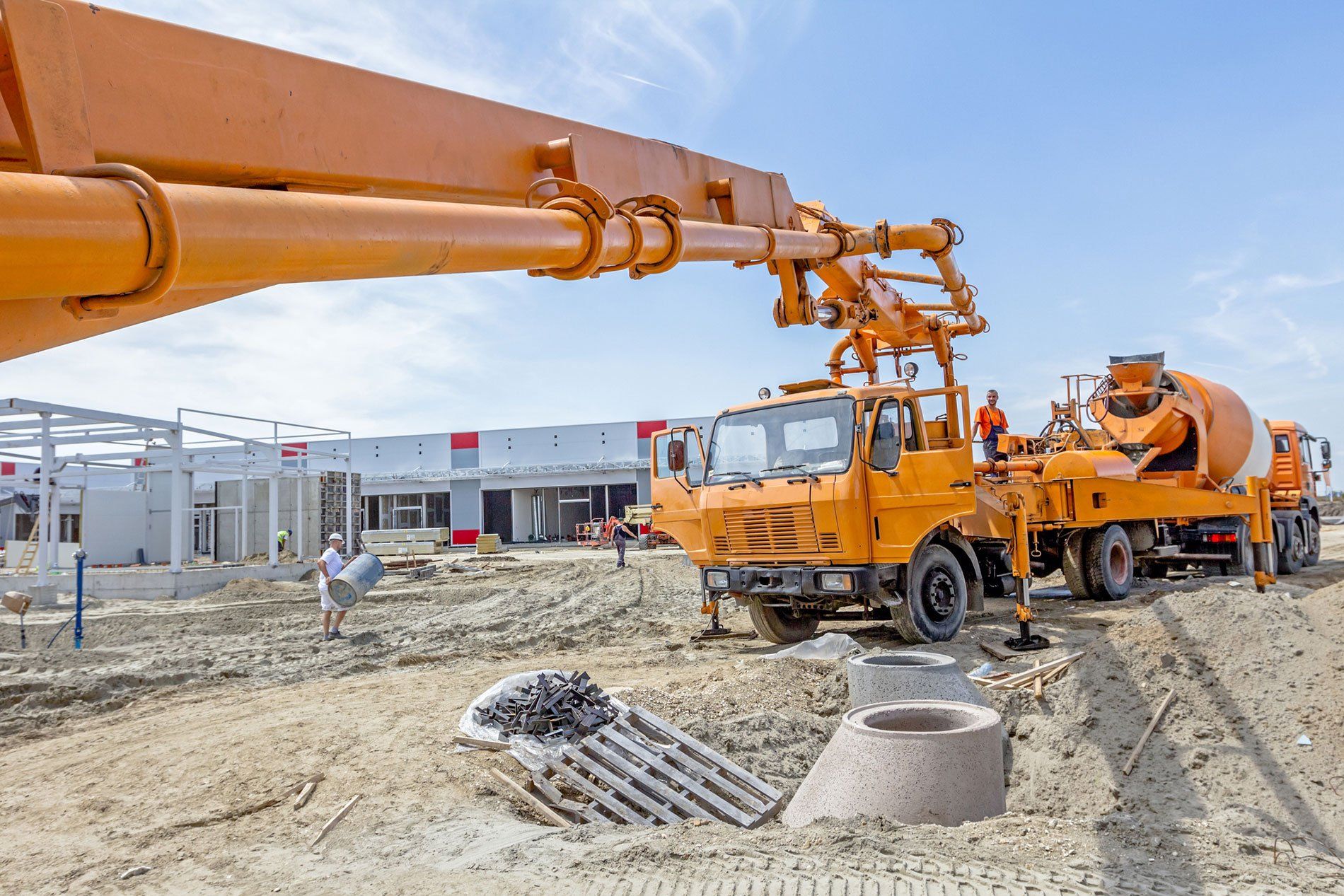
Not every project allows a ready-mix truck to discharge directly into the forms. When access is limited or concrete must be placed over obstacles or long distances, a concrete pump can improve efficiency and placement accuracy.
Coordinating pumping services before delivery helps avoid delays and keeps the project moving according to schedule.
Contact Our Team to Request Concrete Delivery Service
Scheduling concrete delivery involves much more than selecting a date on the calendar. Careful planning, accurate measurements, proper site preparation, and clear communication all contribute to a successful pour. Keeping this in mind, the certified team at Union Pumping is standing by to provide support across the Cotulla, Eagle Pass, Laredo, and Mirando City, TX regions. Whether you require concrete delivery, concrete pumping, or boom pumping services, our qualified technicians are standing by to provide support. Simply contact our team to request support.